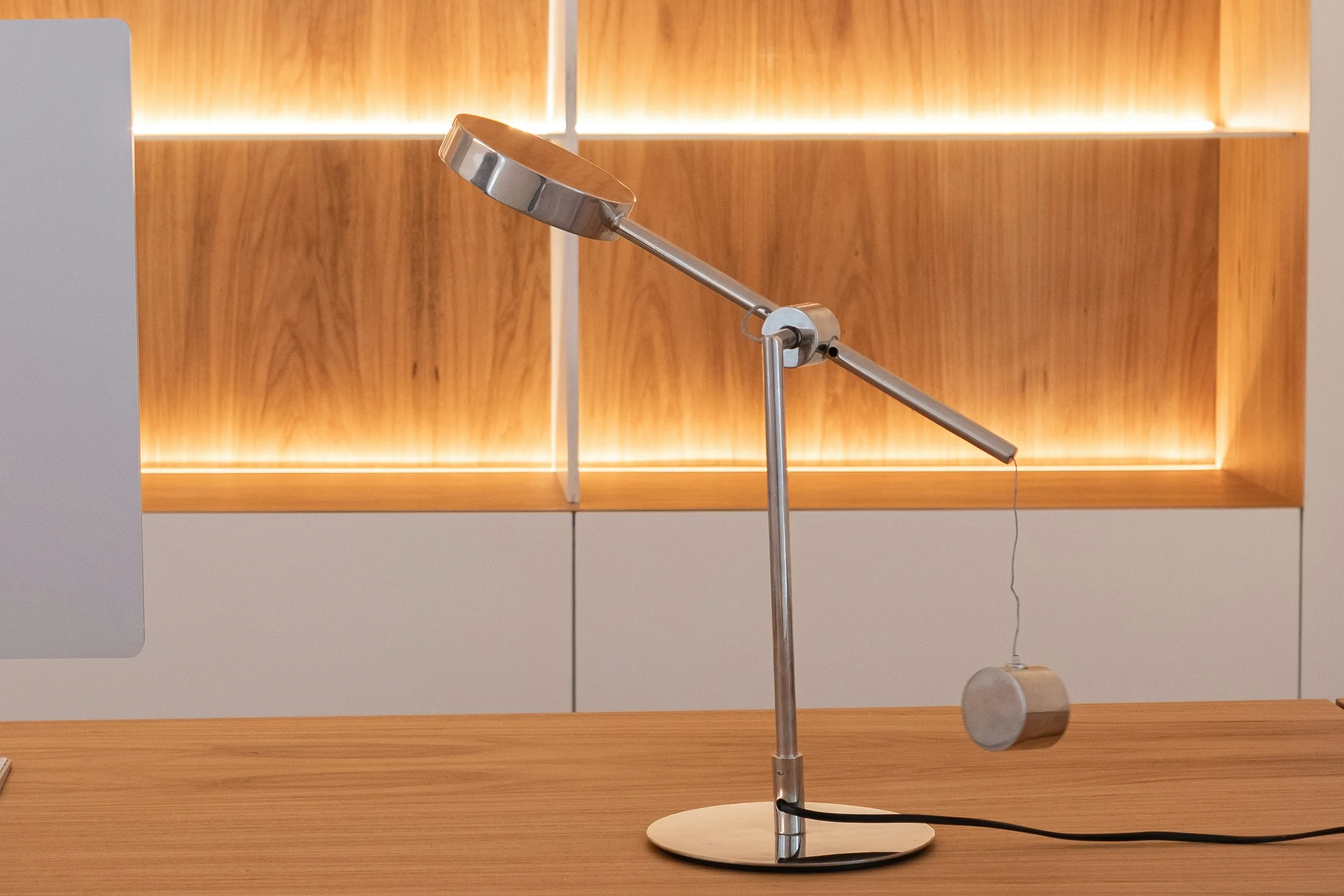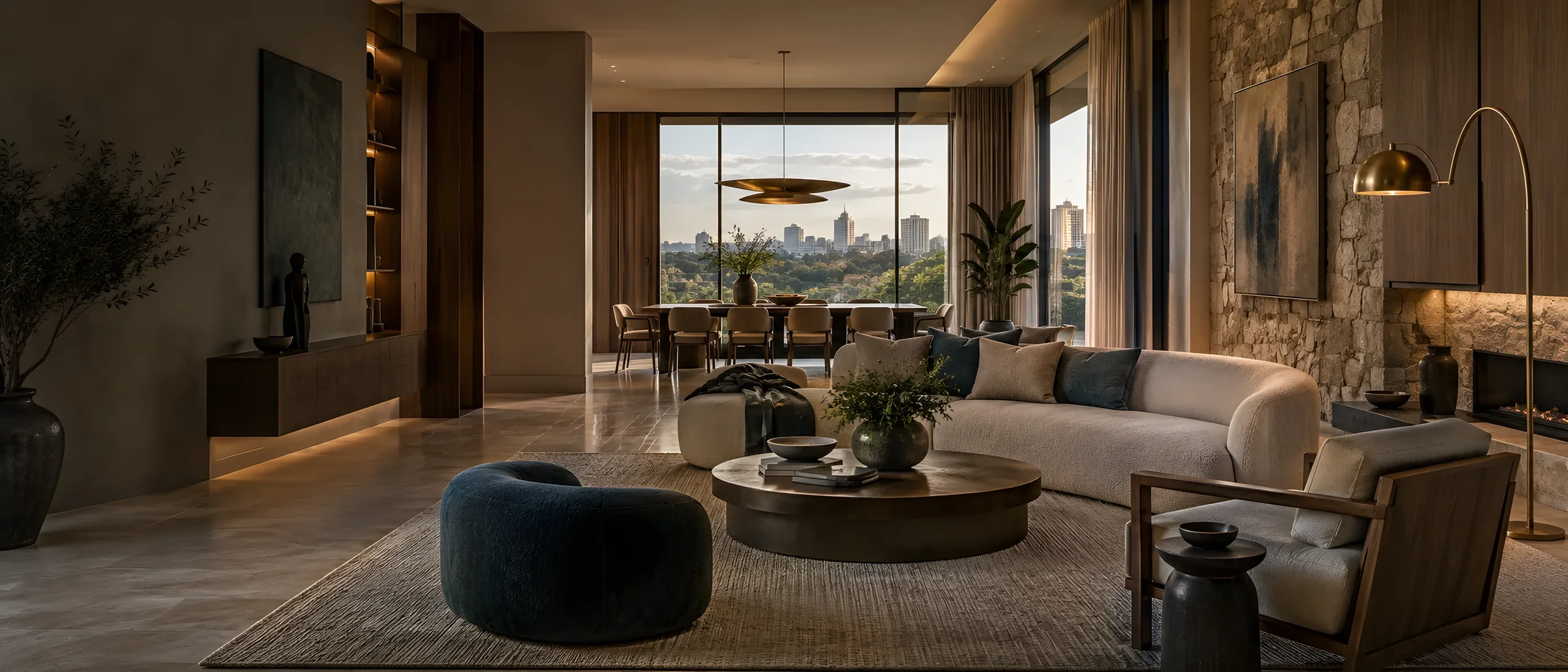
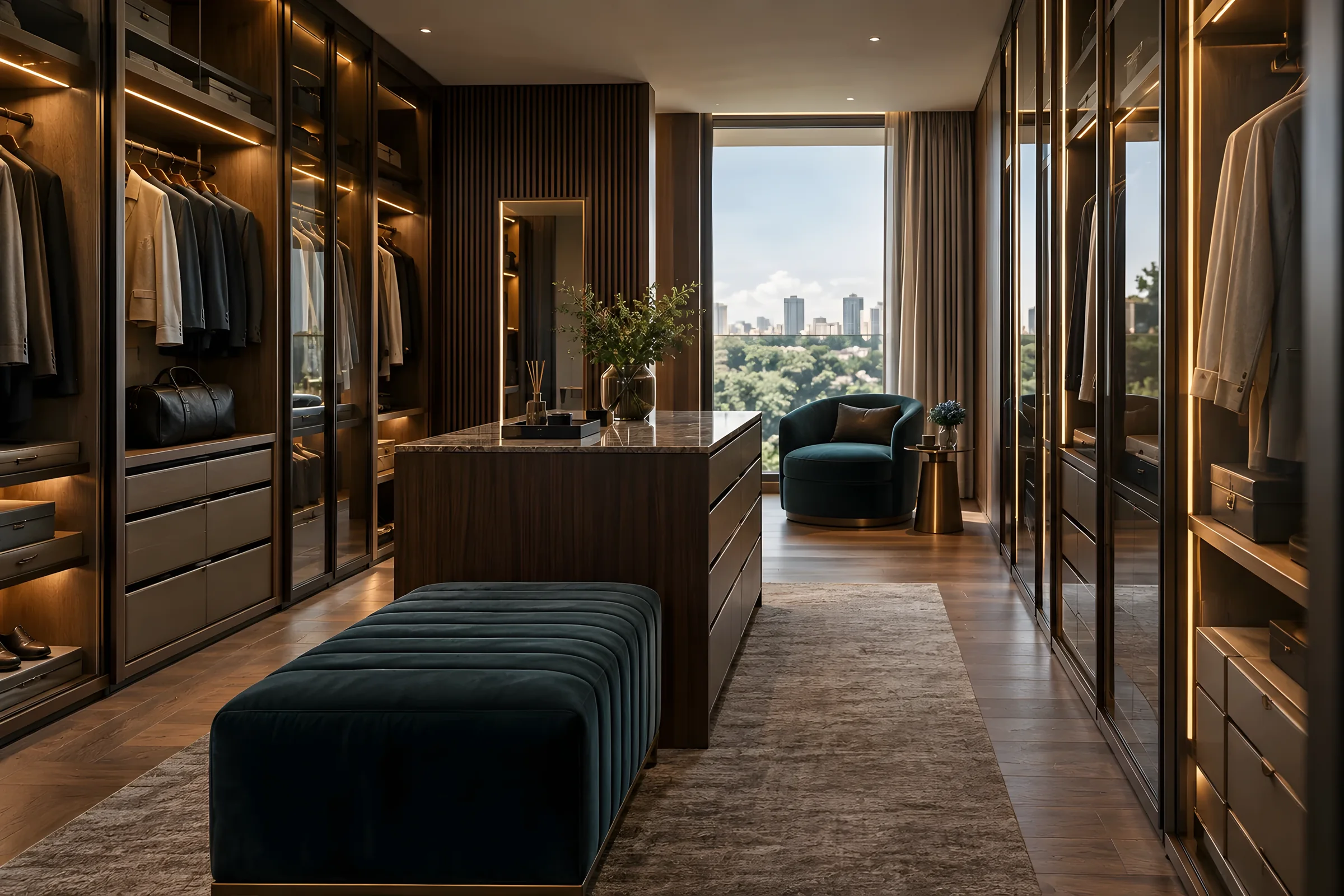
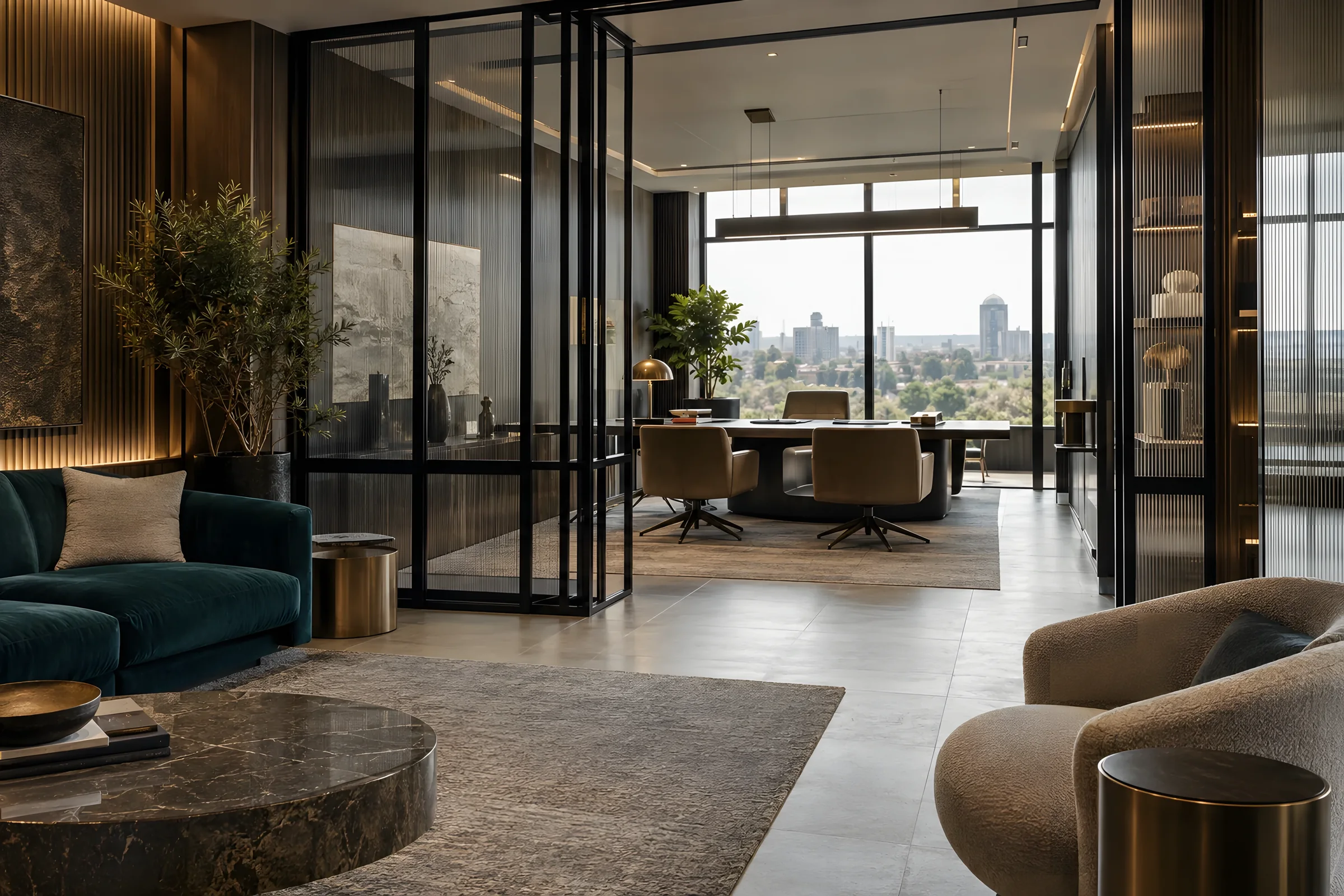

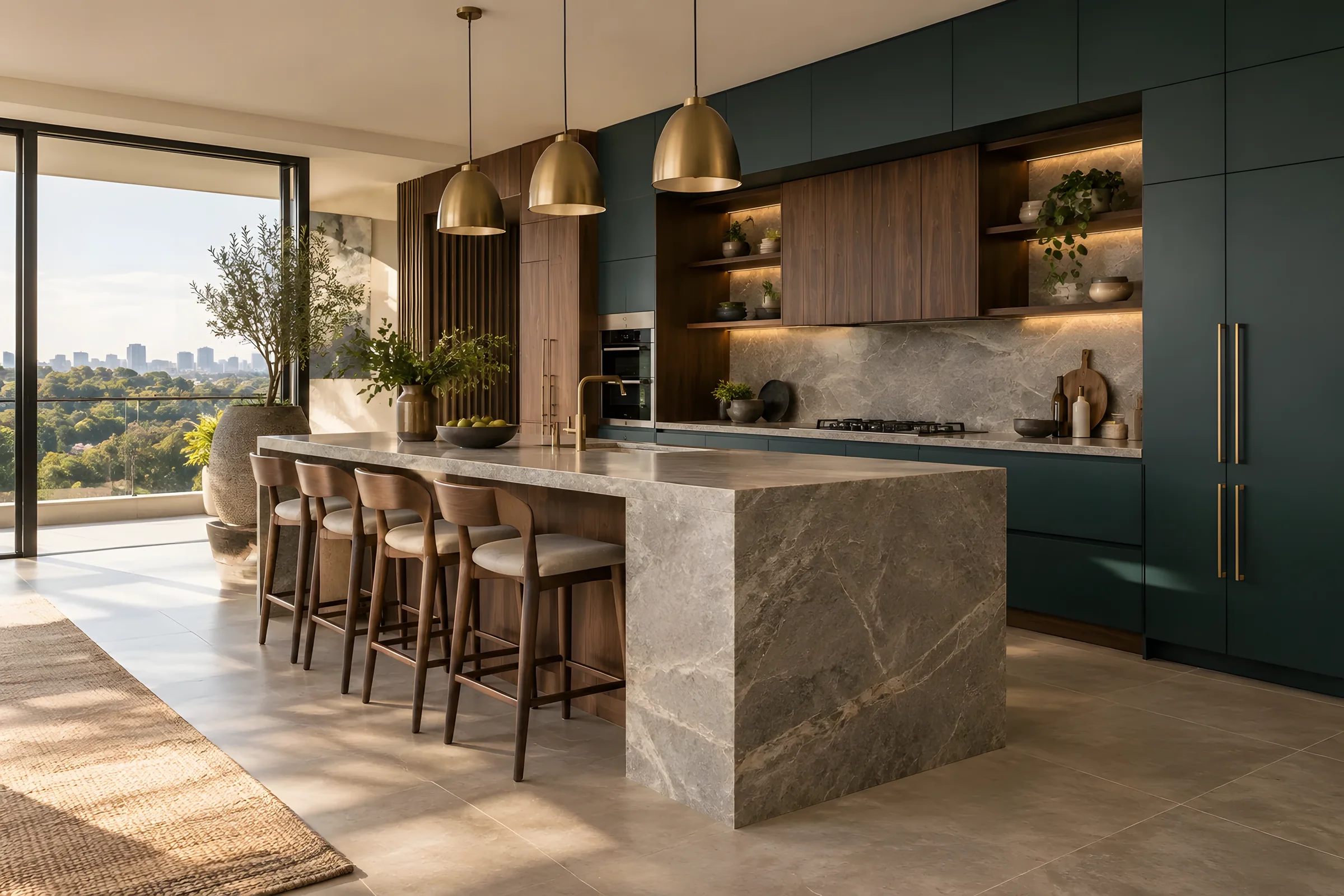
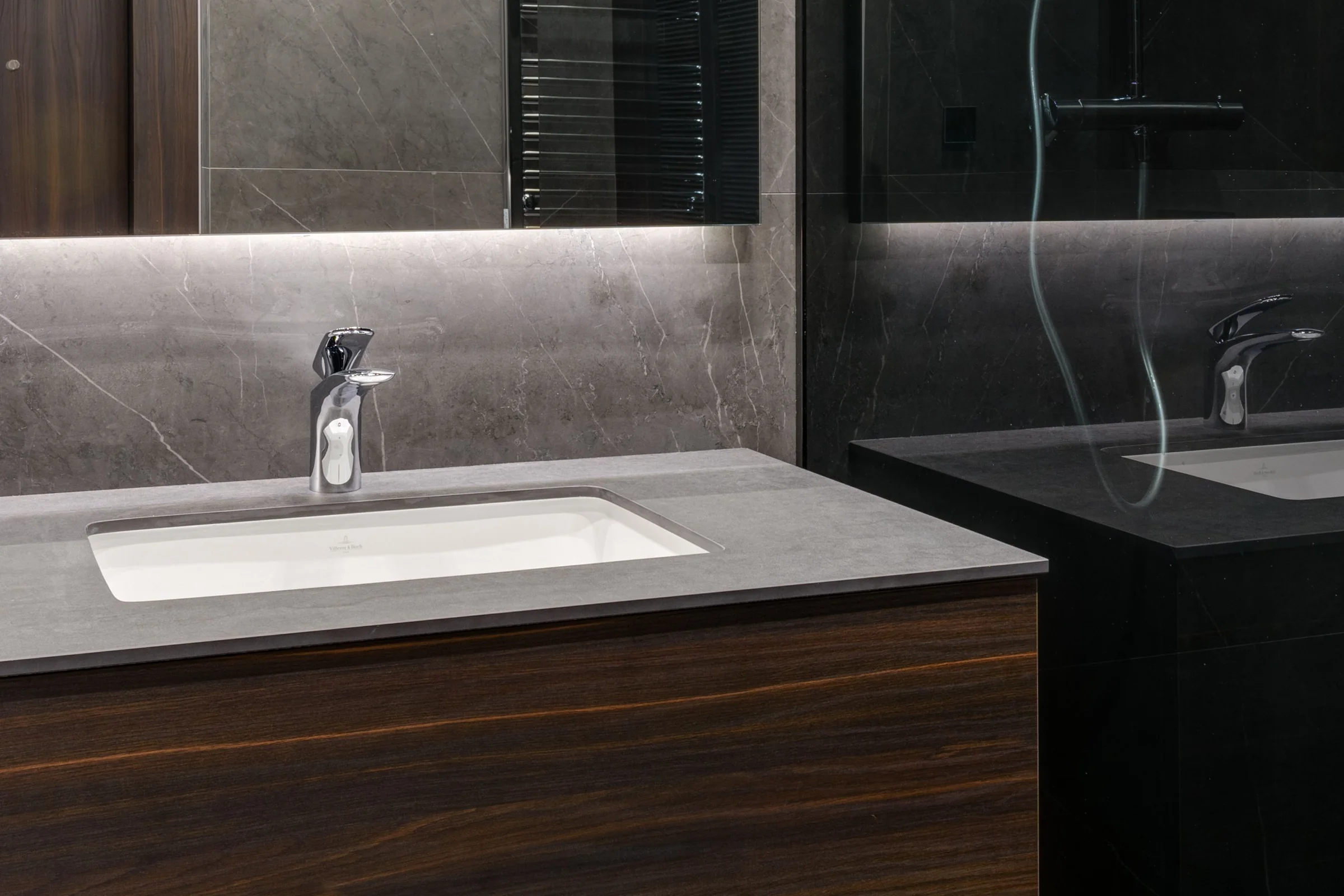

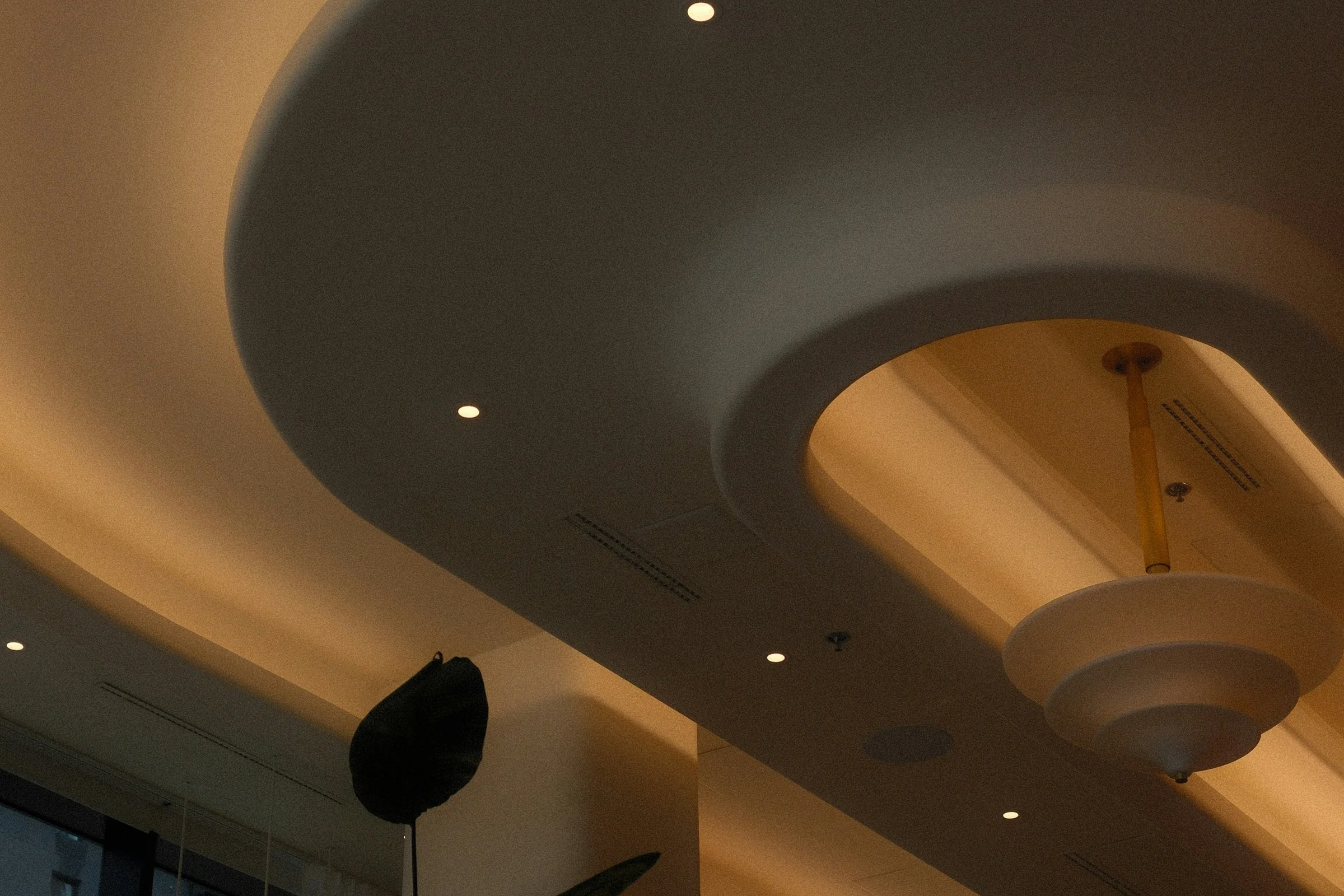
Lighting is decided late, priced last and installed at the point where changing it means opening a ceiling that has just been finished. It is also the single variable that most changes how a finished room feels.
The fix is not to spend more. It is to decide earlier.
Layers, not fittings
A room needs ambient light to move through safely, task light where something is actually done, and accent light to give the space depth after dark. Most disappointing schemes have only the first, delivered by a grid of downlights spaced for the ceiling rather than for the room.
Start by marking where people stand, sit, cook and read. Light those. Then fill in the ambient layer around them.
Circuits are the real decision
How many fittings you have matters far less than how independently you can control them. A room with four dimmable circuits will do more than a room with twice the fittings on a single switch.
Circuits are also the cheapest thing to get right and the most expensive to retrofit. They are decided at first fix, weeks before anybody looks at a light fitting.
Keep the temperature consistent
Mixing colour temperatures in one space is the most common and most visible error. Settle on one — for interiors we generally work at 2700K — and specify it across every fitting, including the ones inside joinery and the one in the extract hood nobody thinks about.
Check the CRI as well. Below 90, timber goes flat and skin tones go grey, which is an unusual amount of damage for a specification line nobody reads.