

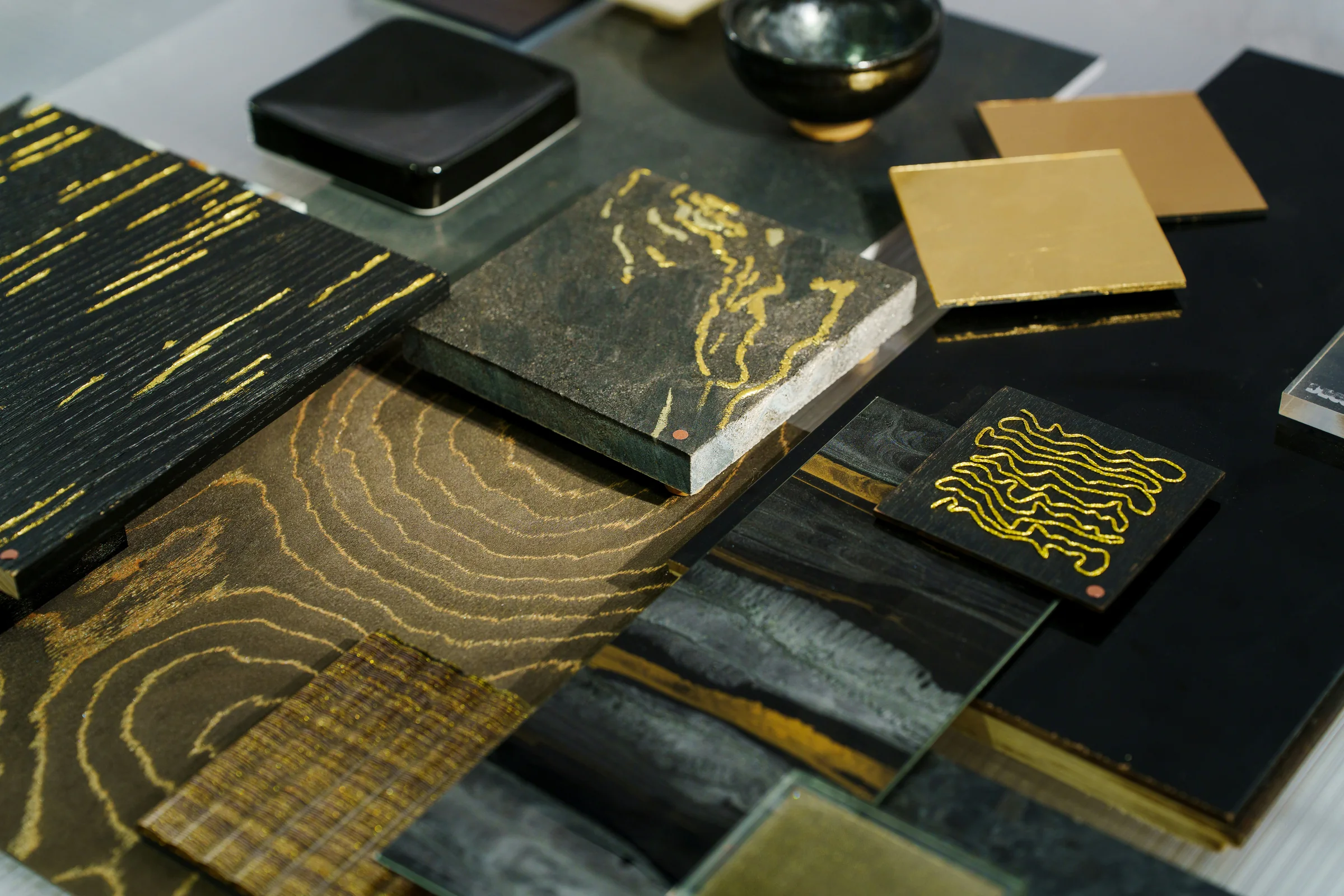
Most interiors that feel unresolved are not badly designed. They are over-specified. Somewhere between the mood board and the order, a fourth timber appeared, then a second stone, then a metal that was chosen for a single tap.
A material palette is not a list of things you like. It is a set of constraints that makes every later decision easier.
Three is usually enough
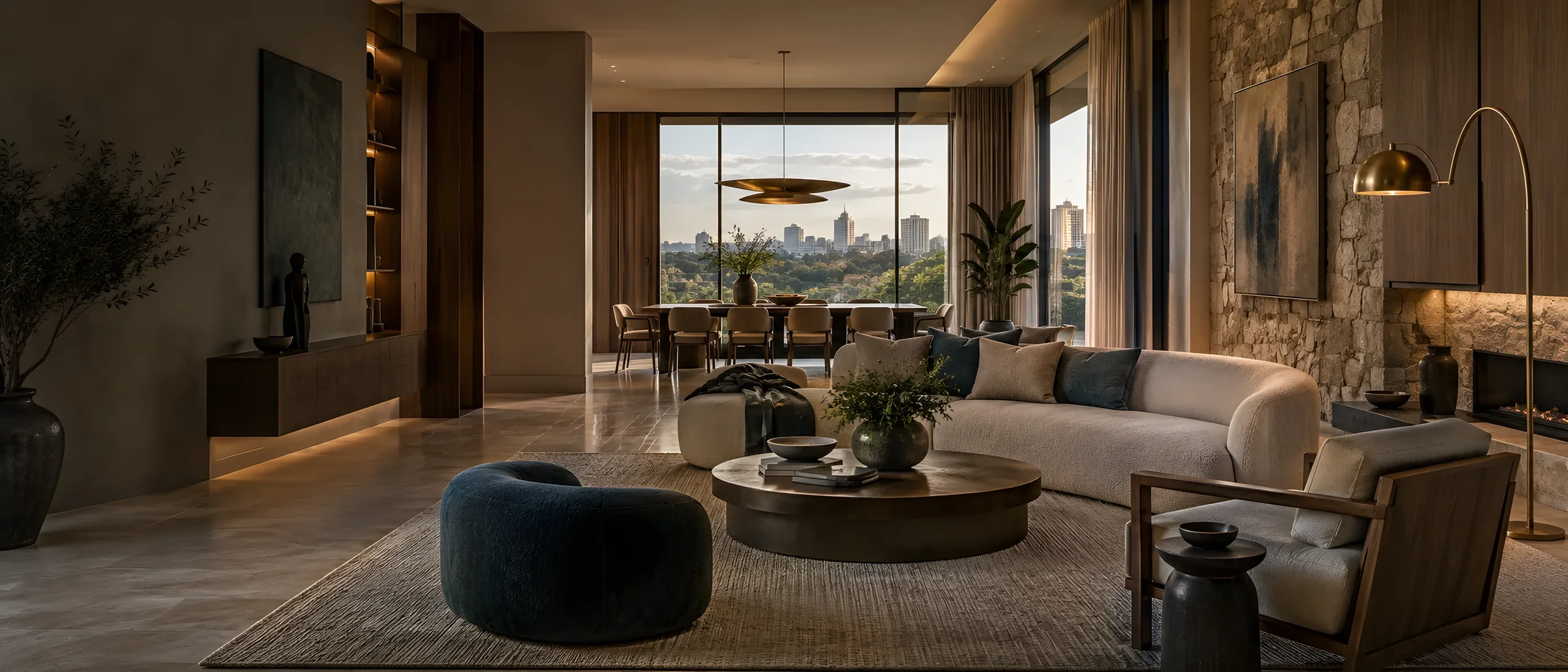
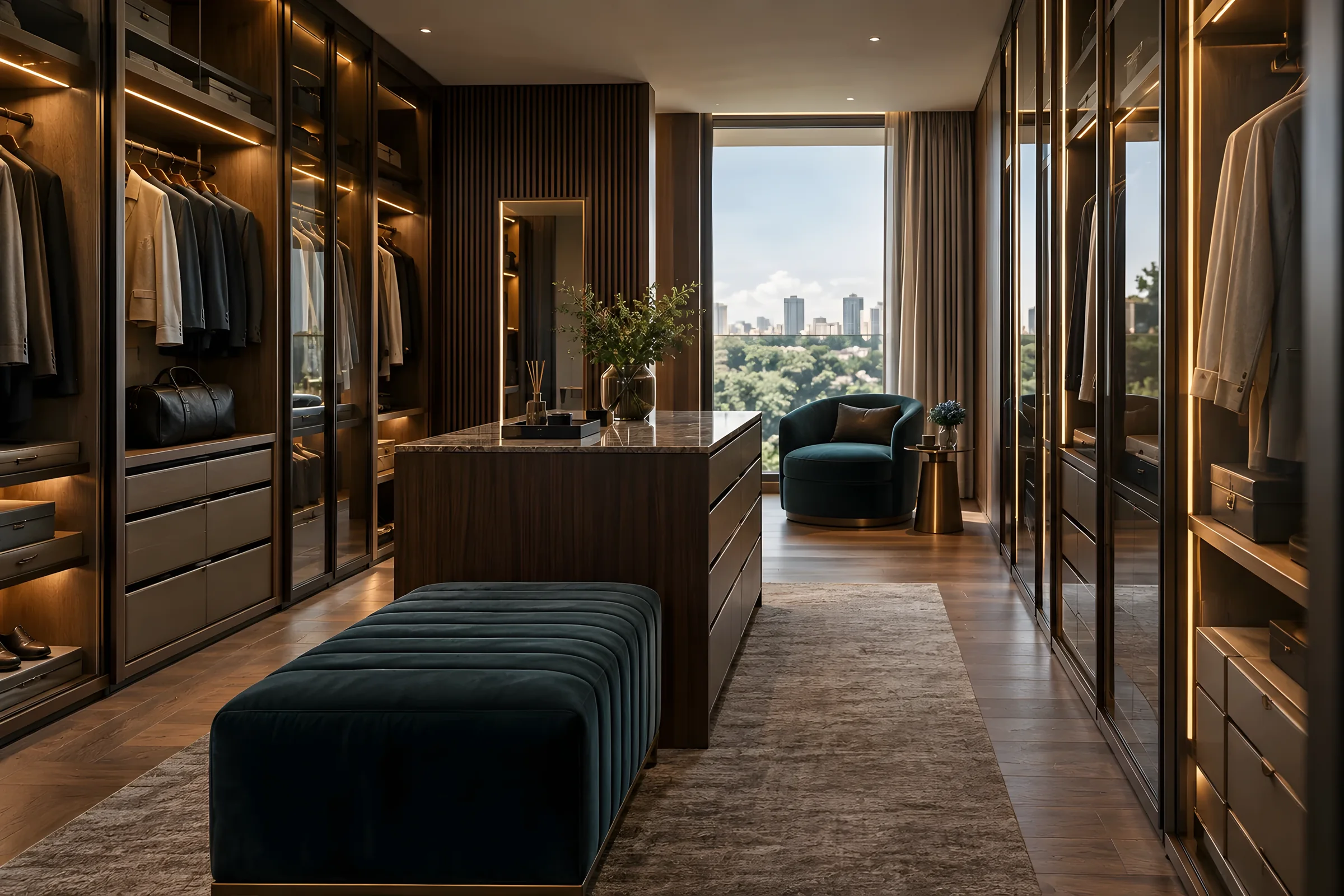
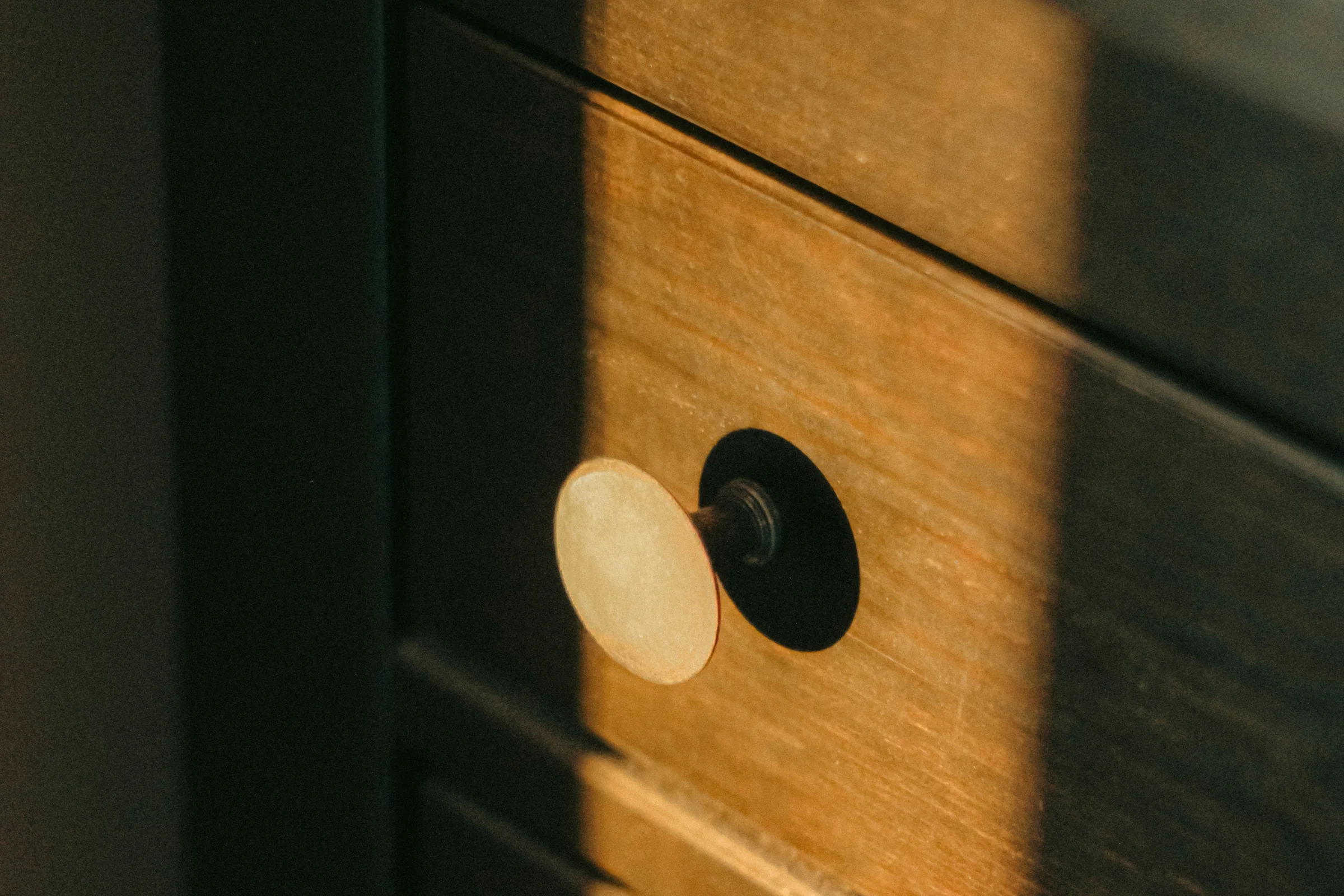
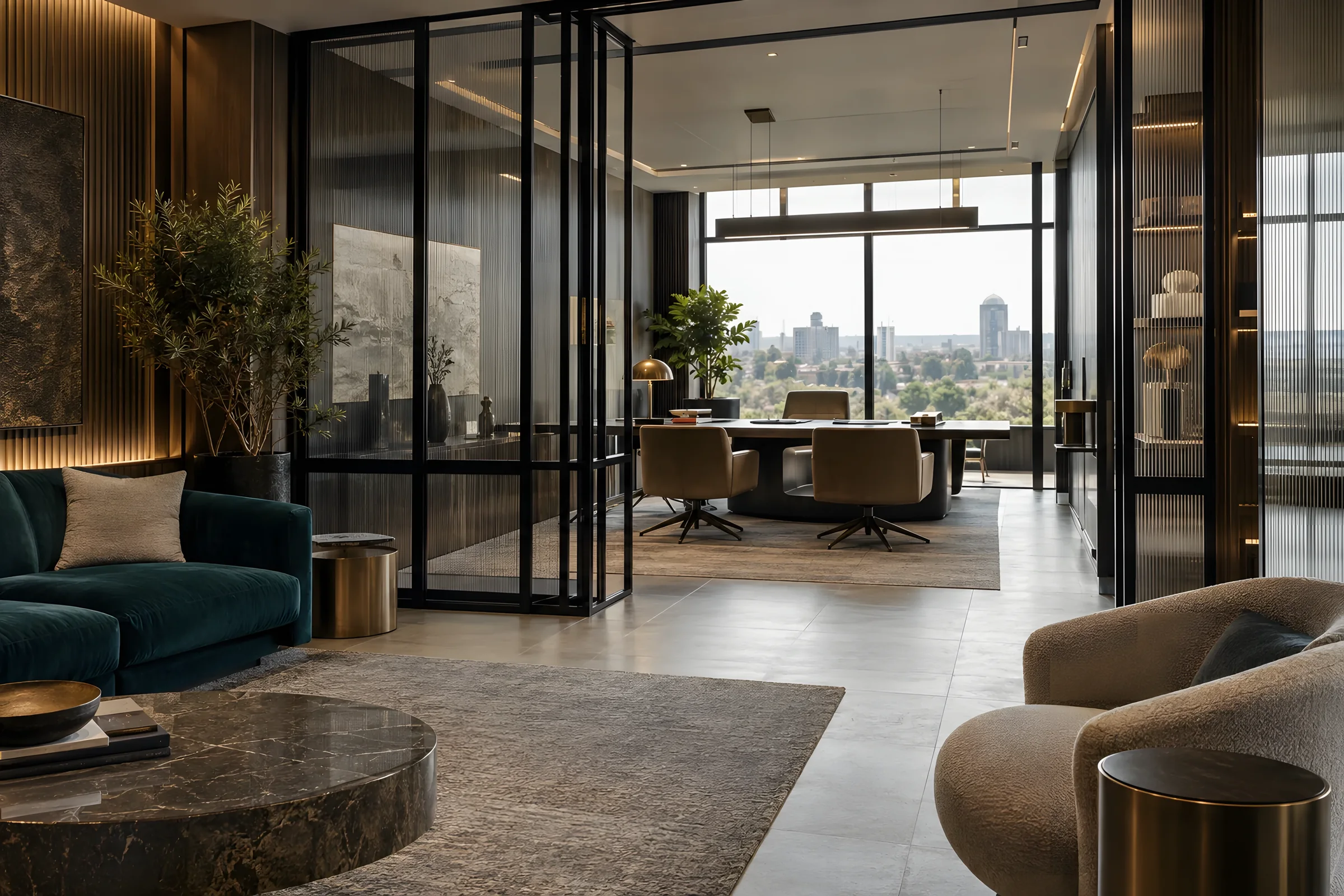
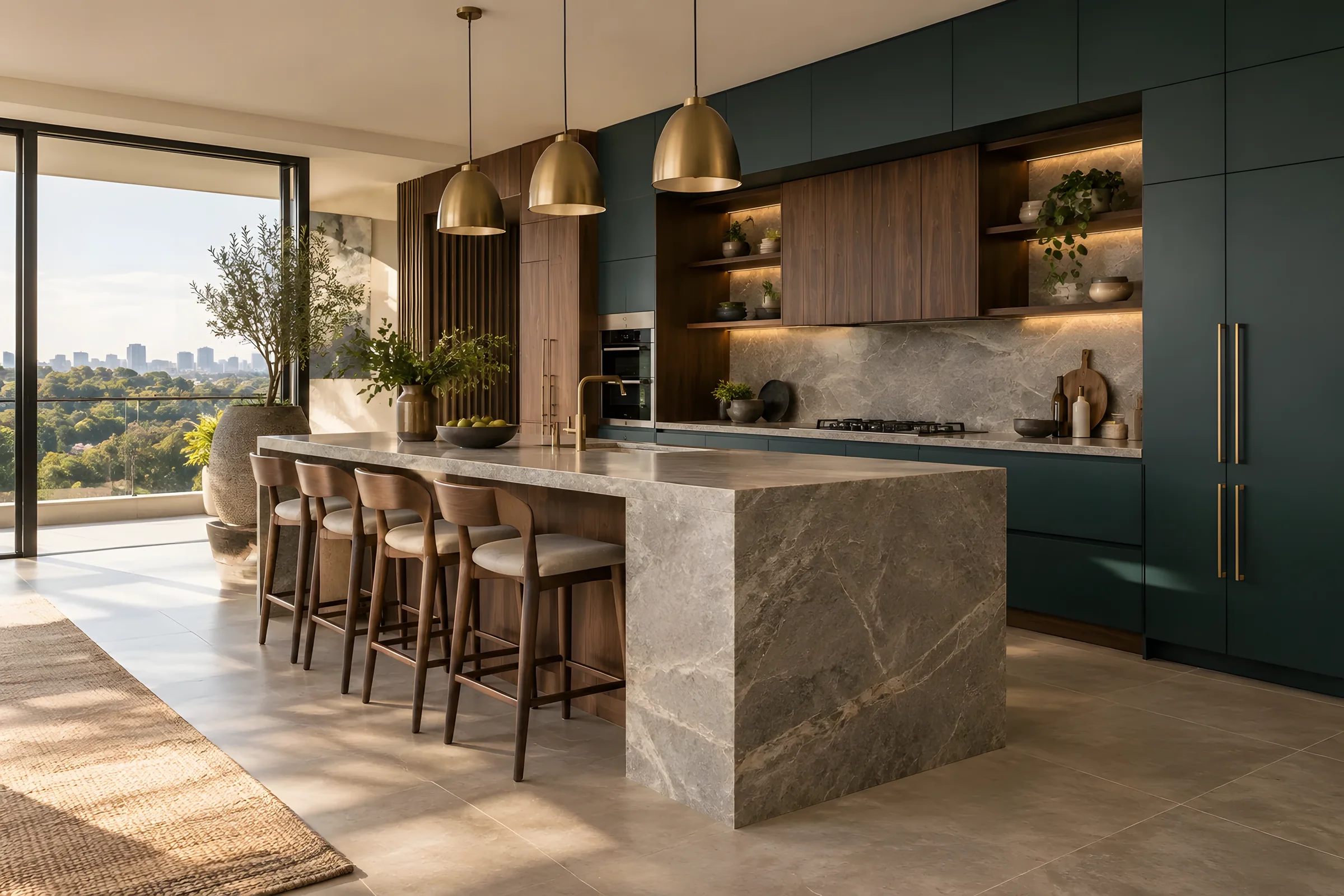
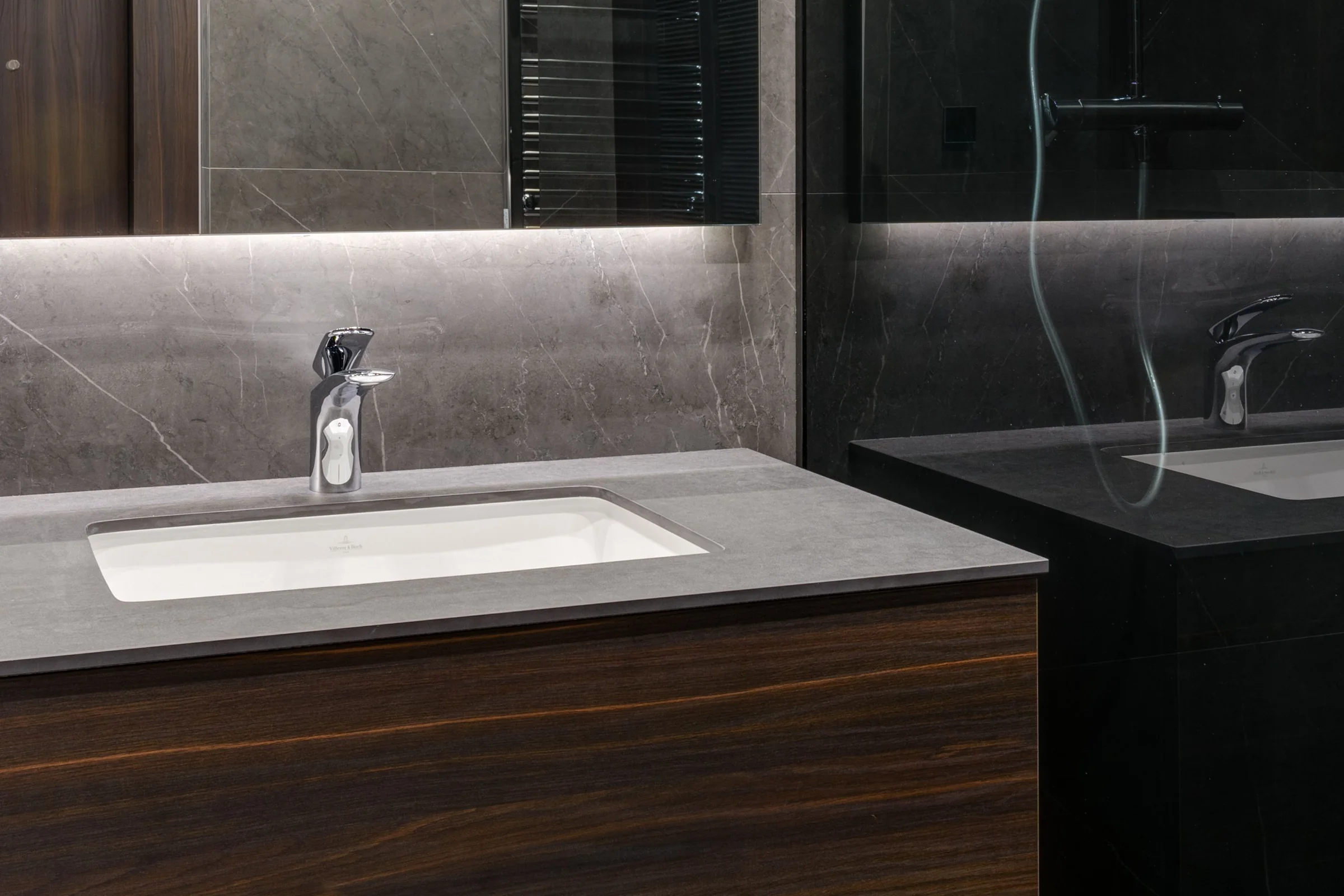
A dominant material, a supporting one and an accent will carry a whole room. The dominant one covers the largest area and sets the temperature. The supporting material provides contrast in tone or texture, not in both. The accent appears in hardware, lighting and small metalwork, and nowhere else.
The discipline is in the third. Once an accent starts appearing on a surface, it stops being an accent and becomes a fourth material.
Test in the room, in the light it will live in
Samples lie under showroom lighting. We put every palette in the actual room, on the actual wall, and look at it at three times of day — mid-morning, late afternoon and after dark under the proposed artificial light.
North-facing rooms are the honest test. Cool constant light exposes any material chosen for how it looked in a warm showroom, and it is the reason a grey that seemed sophisticated in a sample box can read as flat and cold by February.
Write it down and hold it
Once agreed, the palette becomes a schedule: every finish, its reference, its supplier and where it is used. Nothing enters the project that is not on that schedule without a conscious decision to add it.
That document is the single most useful thing we produce. It is what keeps a project coherent through twelve weeks of site decisions made by people who were not in the design meeting.